PRE-BOOKINGS ARE ESSENTIAL
Belgrave to Lakeside journeys are available every day and additional journeys like Belgrave to Menzies Creek, Belgrave to Gembrook, and Lakeside to Gembrook are available Friday - Sunday. Tickets are selling fast, so we recommend you book early to avoid disappointment.
All visitors are required to book your tickets online.
EXPERIENCE HIGHLIGHTS
Train Journeys
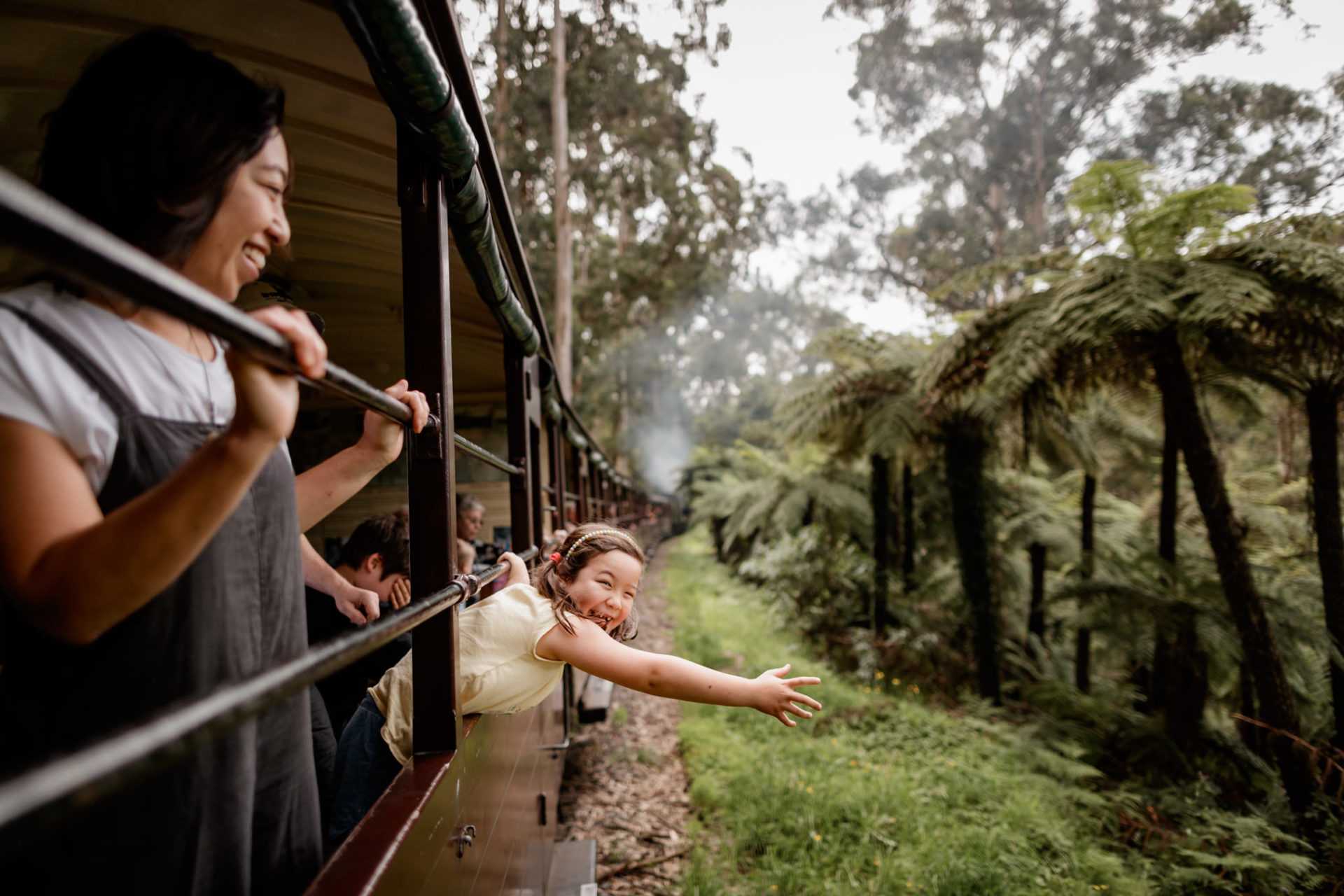
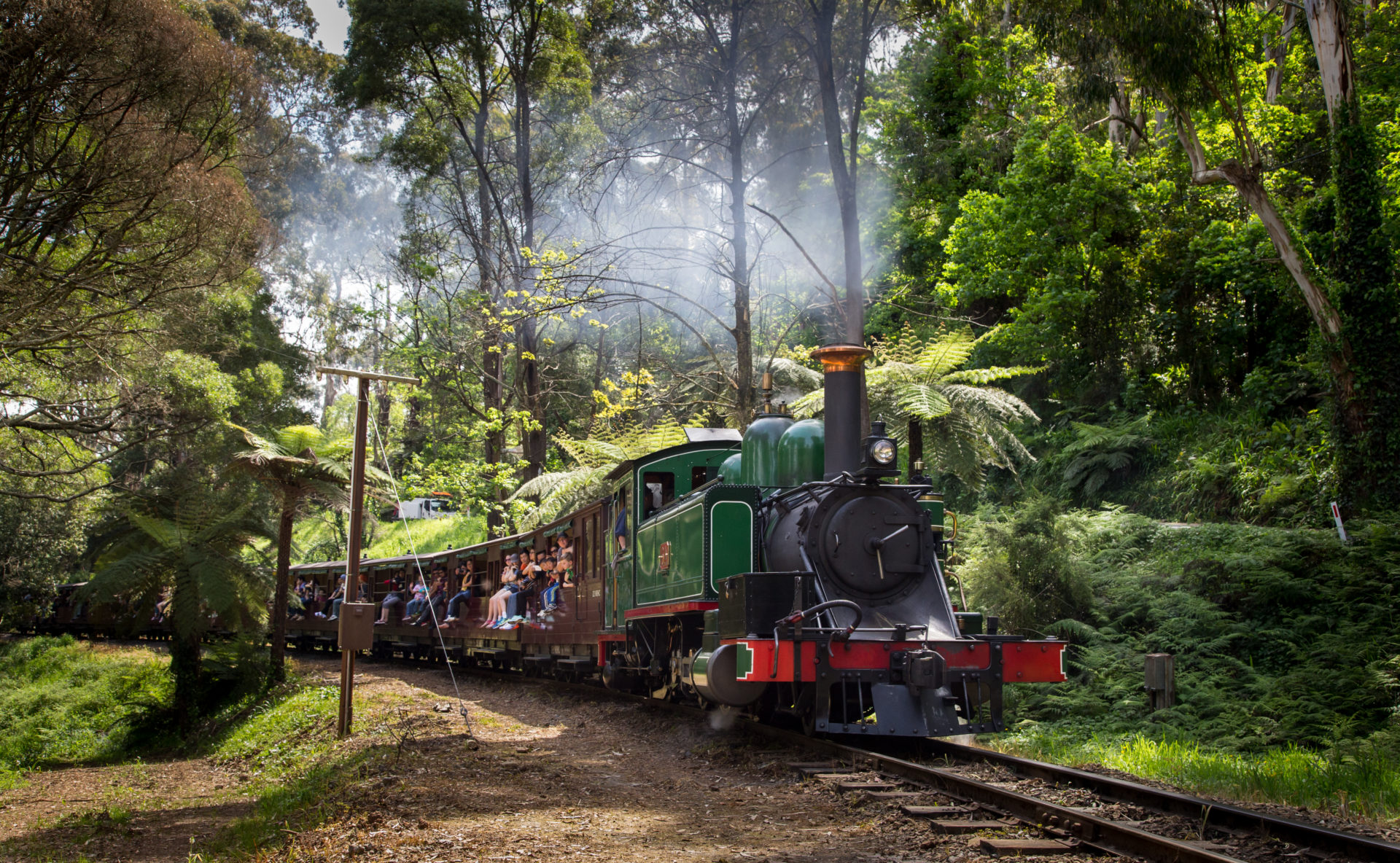
Journey onboard our open-sided carriages through the magnificent Dandenong Ranges, with lush fern gullies brushing past and Mountain Ash trees towering overhead.
Grazing boxes
Pre-purchase a delicious grazing box to enjoy as you ride over the hills, down the valley and into the lush forest on the original mountain track, or hold onto your afternoon snacks and set lunch up by Emerald Lake Park.
Classic Scones & Tea
Pre-purchase Classic Scones and Tea with your Belgrave - Lakeside train journey! Sit down at the Lakeside Visitor Centre's Railway Cafe and enjoy freshly baked scones, velvety cream, sweet jam and a hot beverage of your choice.
Lakeside Visitor Centre
Dine-in at the modern café, collect a grazing box and explore the walking trails, go swimming (during summer!) or jump on a paddleboat in the cool waters of Lake Treganowan, discover steam artifacts in the Lakeside Hall before jumping on board your steam train, or host an event in a private function room.
Functions & Events
For a truly unique event destination where old-world charm meets modern world-class facilities all in one location, look no further than Australia’s premier preserved steam railway, Puffing Billy Railway.
Education Programs
Our Education Programs range from Early Years, Foundation to Year 11 VCE and incorporate multiple learning activities with a focus on exploration of history through the lens of STEM, sustainability, cultural connection, tourism, design and technology. BOOKINGS ARE OPEN FOR TERM 2, 2024!
Train Journeys
Journey onboard our open-sided carriages through the magnificent Dandenong Ranges, with lush fern gullies brushing past and Mountain Ash trees towering overhead.
Grazing boxes
Pre-purchase a delicious grazing box to enjoy as you ride over the hills, down the valley and into the lush forest on the original mountain track, or hold onto your afternoon snacks and set lunch up by Emerald Lake Park.
Classic Scones & Tea
Pre-purchase Classic Scones and Tea with your Belgrave - Lakeside train journey! Sit down at the Lakeside Visitor Centre's Railway Cafe and enjoy freshly baked scones, velvety cream, sweet jam and a hot beverage of your choice.
Lakeside Visitor Centre
Dine-in at the modern café, collect a grazing box and explore the walking trails, go swimming (during summer!) or jump on a paddleboat in the cool waters of Lake Treganowan, discover steam artifacts in the Lakeside Hall before jumping on board your steam train, or host an event in a private function room.
Functions & Events
For a truly unique event destination where old-world charm meets modern world-class facilities all in one location, look no further than Australia’s premier preserved steam railway, Puffing Billy Railway.
Education Programs
Our Education Programs range from Early Years, Foundation to Year 11 VCE and incorporate multiple learning activities with a focus on exploration of history through the lens of STEM, sustainability, cultural connection, tourism, design and technology. BOOKINGS ARE OPEN FOR TERM 2, 2024!
WHAT'S ON
Annual Pass update
Puffing Billy Railway is currently transitioning from the Locals Pass to an all-new Annual Pass, which will be available soon. Stay tuned for further updates on this page regarding the availability of the Annual Pass, or sign up for our newsletter to be the first to learn more about it once it officially arrives.
Paint & Sip
DATE | SELECTED SUNDAYS IN 2024
Get ready for the ultimate artistic adventure that combines boundless creativity with breathtaking views of the Dandenong Ranges in Puffing Billy Railway’s new Paint & Sip experience.
Art Exhibition at Visitor Centre
OPEN DAILY
In partnership with award-winning photographic artist and Guys Hill local, Karen Alsop, Puffing Billy Railway is pleased to introduce Animal Tales to the Lakeside Visitor Centre; a three-part animal-focused photographic series that juxtaposes human characteristics, behaviours, or situations with the faces of real-life native animals.
COGS Australia Bike Hire
Discovering the Dandenong Ranges just got more fun on two wheels! In partnership with local family-owned and operated bike company, COG BIKES Australia, you can now hire a bike from Puffing Billy Railway's Lakeside Station bike hub!
Explore puffing billy
Explore
Puffing Billy
ACCESSIBILITY
Puffing Billy Railway is committed to offering an enjoyable experience for everyone and has a range of accessible facilities available for our passengers.
Plan Your Visit
Puffing Billy continues to run on its original mountain track from Belgrave to Gembrook in the magnificent Dandenong Ranges 40 kilometres east of Melbourne.
Volunteer with us
WELCOME TO PUFFING BILLY RAILWAY, BE PART OF OUR STORY!
If you’re ready to build lifelong friendships, contribute to the community and be part of living history, we would love to hear from you!
ACCESSIBILITY
Puffing Billy Railway is committed to offering an enjoyable experience for everyone and has a range of accessible facilities available for our passengers.
Plan Your Visit
Puffing Billy continues to run on its original mountain track from Belgrave to Gembrook in the magnificent Dandenong Ranges 40 kilometres east of Melbourne.
Volunteer with us
WELCOME TO PUFFING BILLY RAILWAY, BE PART OF OUR STORY!
If you’re ready to build lifelong friendships, contribute to the community and be part of living history, we would love to hear from you!

Safeguarding Children and Young People Statement of Commitment
Puffing Billy Railway’s staff and volunteers are committed to providing positive experiences for children in an environment that’s caring, nurturing and safe. All those team members who help keep the Railway running, are subject to a current Working with Children Check and a National Criminal History Check prior to their engagement.
Our Children, Our Focus, Our Future, Speak Up!